
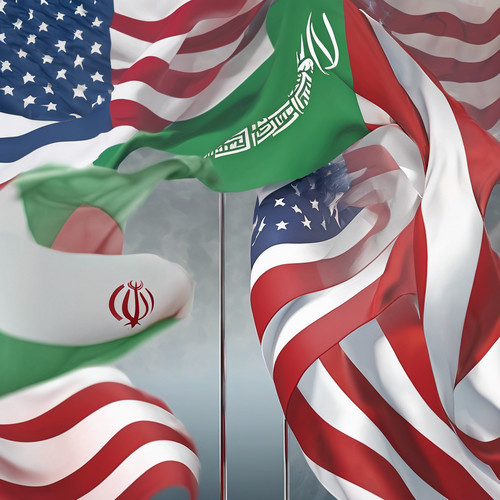
How Could Iran Respond After a U.S. Attack?
As tension between Tehran and Washington escalates, the possibility of a U.S. military strike against Iran is not outside the realm of speculation. Any attack—be it preemptive or reactionary—would likely prompt Tehran to consider a variety of responses ranging from military retaliation to diplomatic maneuvering on the world stage. 🌍 The potential ripple effects of such a conflict extend far beyond the Middle East, influencing global markets, security alliances, and international norms.
The Military Counterstrike: A Offensive Posturing
Iran’s military strategy operates under a doctrine of asymmetrical warfare, leveraging its geographic positioning and various proxy networks throughout the region. If the U.S. were to launch an attack, Iran may resort to:
- Ballistic Missile Strikes: Iran boasts extensive missile capabilities, including the Shahab and Sejjil series, which are capable of reaching Israel and bases in the Gulf states.💣
- Proxy Warfare: Utilizing loyal factions like Hezbollah in Lebanon and various militias in Iraq and Syria could lead to coordinated regional attacks against U.S. assets and allies, escalating the conflict further.
- A Naval Assault: Control over the Strait of Hormuz, through which approximately 20% of the world’s oil passes, provides Iran leverage to disrupt global oil supplies. 🚢 A blockade could trigger a spike in global oil prices and economic turmoil.
Diplomatic Maneuvering: Rallying Global Support
Beyond military responses, Iran could pursue a multi-faceted diplomatic strategy. A U.S. attack could galvanize Tehran to:
- Mobilize Regional Alliances: Iran might seek to strengthen ties with allies in the region, such as Russia and China, framing the U.S. as a common adversary and potentially establishing a united front. 🤝
- Engage with International Bodies: Bringing the issue to the United Nations, Iran could leverage international law and moral arguments to garner support from nations concerned about U.S. military overreach.
- Public Diplomacy: Media campaigns to portray the U.S. as an aggressor could help legitimize Iran’s actions at home and abroad. High-profile speeches and actions would reinforce national unity among Iranians.
The Economic Repercussions: Sanctions and Retaliatory Actions
Iran has already been under heavy economic sanctions, which could further intensify in the wake of a U.S. attack. However, Tehran could respond economically by:
- Targeting Oil Exports: Iran could cut its oil production or significantly disrupt oil flows in the Persian Gulf as a counter-strategy, thereby impacting global oil prices. The nation’s economy could leverage this situation as a form of ‘economic warfare.’ 🛢️
- Cyber Warfare: Engaging in cyber operations against U.S. companies or infrastructure could retaliate against American interests without conventional military engagement. The 2010 Stuxnet attack serves as a reminder of Iran’s capabilities in this area.
- Encouraging Protests: Financial hardship due to U.S. sanctions could empower state propaganda to direct public discontent towards the U.S., soothing domestic unrest while portraying the West as a destabilizing force.
Global Reactions: The World on Edge
The reactions of other nations would play a critical role in shaping the course of events post-attack. U.S. allies, including NATO partners, would need to navigate delicate waters, weighing their political and economic interests against a potential backlash from Iran.
Would countries like Saudi Arabia or Israel stand firmly by Washington, or could they adopt a more cautious approach? The ramifications of a U.S. attack could indeed escalate into a broader confrontation, altering alliances and power dynamics. 🌐
“The unpredictability of conflict in the Middle East suggests that the costs could far outweigh any tactical gains achieved by a preemptive strike against Iran,” asserts Dr. Laura H. Jenkins, a geopolitical analyst. “The region is already a tinderbox, and adding fuel could ignite a fire resulting in consequences that echo globally.”
Final Considerations: The Perils of Military Engagement
Any military engagement against Iran promises not only to be costly in terms of human lives but also disruptive to global stability. The complexities of Iranian national pride, regional allegiances, and the impacts on worldwide economies should not be underestimated. Any decision by the U.S. regarding military action would need to consider these intricate factors to ensure that actions do not escalate into an uncontrollable and prolonged conflict. ⚠️




Who knew Iran had so many cards up their sleeve? Diplomatic chess moves and economic retaliation – its like a geopolitical thriller unfolding before our eyes!
I wonder if Irans response could involve cyber attacks rather than a military one. Its a digital age after all.
I believe Irans response to U.S. hostilities could escalate tensions globally. Its like a game of chess with high-stakes moves.
Do you think Iran would retaliate economically or militarily if the U.S. attacks? The suspense is killing me! #UnleashingChaos
I think Iran should focus on diplomatic solutions rather than military actions. Its a tough situation, but peace should be the priority.
Im not sure about Irans response, but I think global support and economic repercussions will play a huge role. Its a complex situation!
I cant believe the potential aftermath of a US attack on Iran! Will global support or economic sanctions prevail? Its a chaotic situation!
I wonder if Irans response will involve cyber warfare. It could be a game-changer in this escalating conflict. What do you think?
Do you think Irans response to U.S. hostilities will escalate tensions or lead to diplomatic resolutions? Im curious about your thoughts!
Im not convinced Irans response would be purely military. Diplomatic and economic strategies could play a significant role. What do you think?